Exodus 3:14 "And God said, “I will be with you.""
In Exodus 3 Moses encounters God at the burning bush. His story here can help us to address one of the most common struggles people face today: identity. Just recently at a wedding I learned that my siblings and I all have wrestled with our self-esteem and questions about our worth despite growing up in what appeared to be a healthy family. In today’s world many people experience an identity crisis, questioning who they are, what value they have, and whether their lives have purpose.
An identity crisis is when someone is questioning one’s sense of self, lacking purpose, and feeling confused about life’s direction. Moses is an ideal example because people often remember him as the bold leader who confronted Pharaoh, parted the Red Sea, and received the Ten Commandments. However, at the beginning of his story, Moses was uncertain, insecure, and doubtful about his ability to serve God.
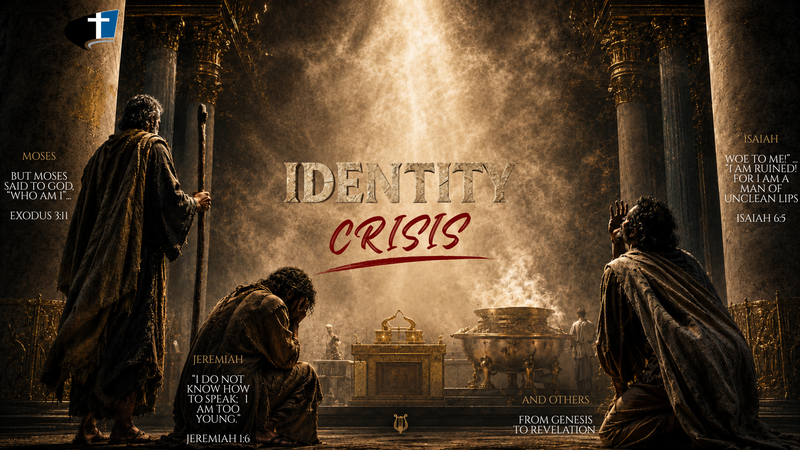
Moses’ early life explains why he struggled with his identity which you can read about in Exodus 2. His unusual upbringing left him caught between two worlds—Hebrew and Egyptian—without a clear sense of belonging. Therefore, when God called him through the burning bush to return to Egypt and deliver Israel, Moses’ response was, “Who am I” His question reflected not simply fear of the task but uncertainty about his own identity and worth.
Moses’ experience connects to us today. People constantly receive labels from parents, teachers, friends, coworkers, and society. These labels can be positive or negative, but if you lack a stable understanding of who you are, you begin to define yourself by what others say instead of by something unchanging. This constant shifting of identity often leads to repeated identity crises as circumstances and relationships change. The messages we have received growing up may still shape their self-perception today. If you don’t know who you are, then other’s opinions will shape your identity rather than it being solid. How then can you have a stable identity? The answer is God's answer to Moses. Rather than directly answering Moses’ question, “Who am I?”, God declares, “I will be with you,” and later reveals Himself as “I AM WHO I AM.” God’s answer shifts the focus away from Moses’ abilities and onto God’s presence. Moses was sufficient for the task not because of his qualifications but because God had chosen him and promised to remain with him. Likewise, believers today find their identity not in their achievements or other people’s opinions but in belonging to God and living in His presence.
The Old Testament promise to Moses is similar to the New Testament to believers. Jesus promised His followers, “I am with you always,” Paul taught that believers are God’s temple because His Spirit dwells within them, and Hebrews assures Christians that God will never leave or forsake them. The gospel teaches us that humanity’s sin separated people from God, but Jesus Christ lived a sinless life, died on the cross for humanity’s sins, and rose again so that those who believe in Him are forgiven and reconciled to God. Through faith in Christ, believers receive God’s Spirit and become people with whom God permanently dwells.
Believers have many promises that we receive through Christ. According to John 1 and Romans 8, Christians are not only people in whom God dwells but also His adopted children, deeply loved and accepted. Your identity can be secure if it is rooted in God’s love rather than performance, success, appearance, or other people’s opinions. You are valuable simply because you belong to God. If you have not yet trusted in Christ, receive forgiveness and a new identity through faith in Jesus.
You can respond differently than Moses initially did. If you believe in Christ you can and should confidently say “yes” to God’s calling because you know who you are: people whom God loves, lives with, and will never abandon.